






News
27 JUL 2026
From Classroom to City: Experiential Learning in Global Beijing
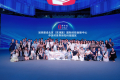
From May to June 2026, students enrolled in GCST2017/2026 Summer Sojourn I & GCAP3066 Global Beijing: Society, Culture and Changes, offered by the Global and China Studies Programme at Hong Kong Baptist University, explored contemporary Beijing through a combination of classroom learning, field visits and student-led research. Taught by Dr Shirley Yang, the course encouraged students to engage directly with the city and examine its changing social, cultural and urban landscape from a range of perspectives.
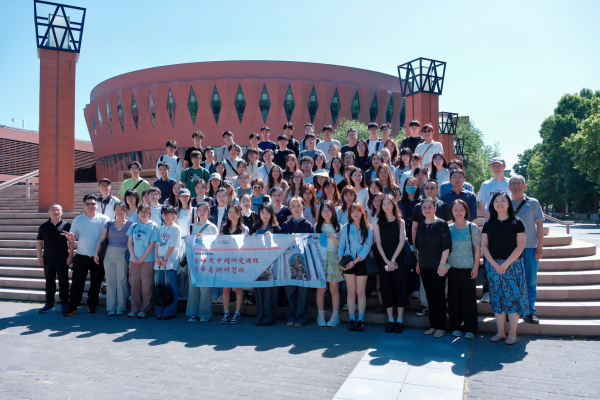
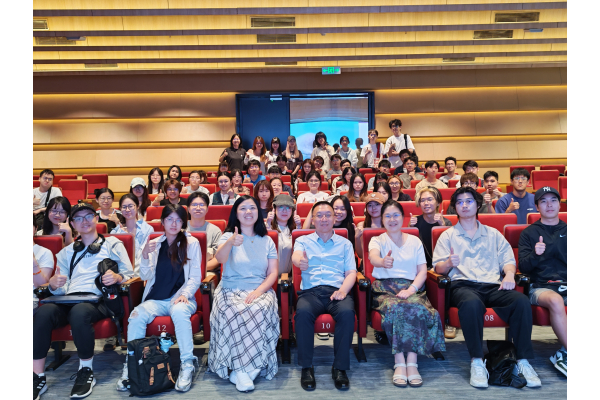
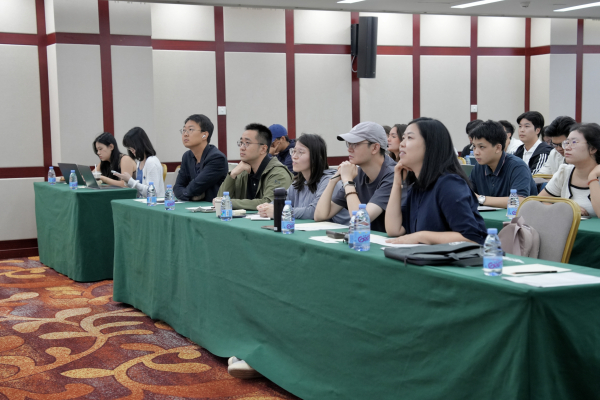
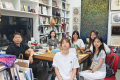
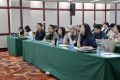
The course began in Hong Kong with research methods workshops and local field visits, followed by an intensive study trip to Tsinghua University in Beijing from 31 May to 10 June. During their time at Tsinghua, students attended a series of lectures on the regeneration of Beijing’s historic neighbourhoods, territorial spatial planning, innovation in China in the age of artificial intelligence, the changing international order and China–US relations, and Beijing’s Central Axis and its inscription on the UNESCO World Heritage List.
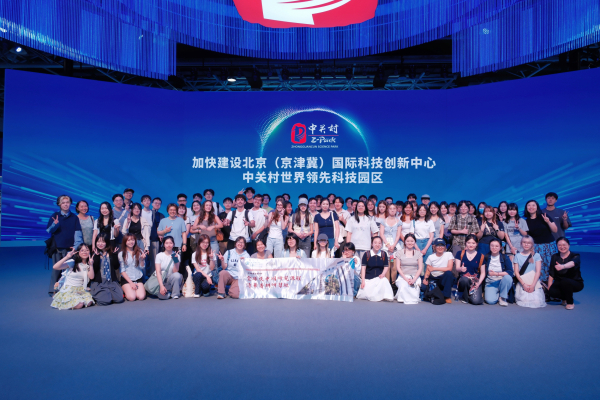
Learning also extended beyond the classroom. Students visited the Zhongguancun National Innovation Demonstration Zone Exhibition Centre, technology companies, the Tsinghua University History Museum, the First Historical Archives of China, the Museum of State Gifts and the National Museum of China. These visits enabled them to connect academic discussions with developments taking place across the city and to gain first-hand insights into Beijing’s urban transformation, technological innovation, heritage conservation and everyday social life.
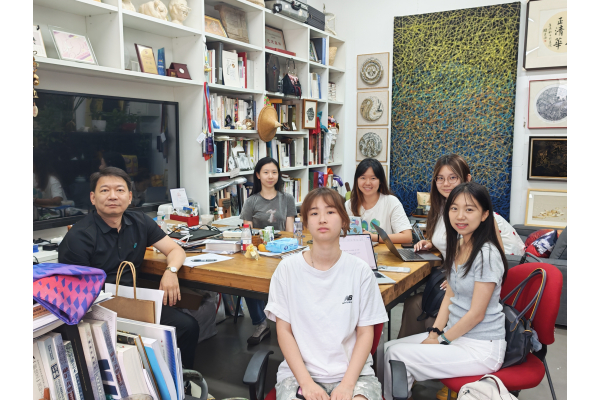
Building on what they had learned from the lectures and field visits, the 16 student groups developed their own research projects. Under the guidance of Dr Shirley Yang and their Tsinghua supervisors, students conducted literature reviews, field observations, interviews and surveys. Each group then produced an approximately 5,000-word research report presented as an ArcGIS StoryMap. Their projects addressed a wide range of topics, including hutong conservation, the integration of migrant children, youth identity and belonging, cultural and creative industries, consumer spaces and the revitalisation of cultural heritage.
This year, the course adopted a new format for presenting the group projects. For the first time, students produced pre-recorded videos instead of delivering live oral presentations. Bringing together their research process, fieldwork materials and key findings, the videos were screened for students and supervisors on 9 June. By combining academic analysis with visual storytelling, this format offered students a more engaging, accessible and creative way to present their research.
Outstanding Student Projects
Group 6
Project title
Urban Integration Challenges and Social Support for Migrant Children in Beijing: A Comparative Case Study of Beijing Facilitators and Dandelion Middle School
Project link
https://storymaps.arcgis.com/stories/42b4c67b044349d2ab27c8d7f924d1d3
Group 7
Project title
How Spatial Features and Interaction Rituals Shape Identity and Belonging among Beijing’s Urban Youth: A Mixed-Methods Study of Academic Bars
Project link
Group 8
Project title
Material Restoration and Symbolic Meaning: The Revitalisation of Tsinghua Xuetang
Project link
Group 9
Project title
Production, Consumer Experience and Global Communication in Beijing’s Cultural and Creative Industries: A Case Study of the Palace Museum
Project link
Group 10
Project title
Preserving Hutongs, Supporting Residents: Balancing Heritage Conservation with Residents’ Everyday Needs
Project link
https://storymaps.arcgis.com/stories/66b05b47219644aa81d4e4cdc3ae50da
Group 14
Project title
The Negotiation and Production of Sacredness in Practice: A Study of Young People’s “Improvised Performative Worship” at Yonghe Temple
Project link
https://storymaps.arcgis.com/stories/26c2f33b5bcb441a948b814c297b52da
These six projects were selected as outstanding student work for this year. Together, they demonstrate the students’ ability to translate classroom learning into field-based research and reflect their strengths in research design, data collection, critical analysis, teamwork and digital storytelling.

